Lovebugs, Sun and Salt Air: Protecting Paint in Clearwater
Gulf Coast paint takes a different kind of beating. Here is what each hazard does and what to do about it.
October 17, 2026 · 4 min read
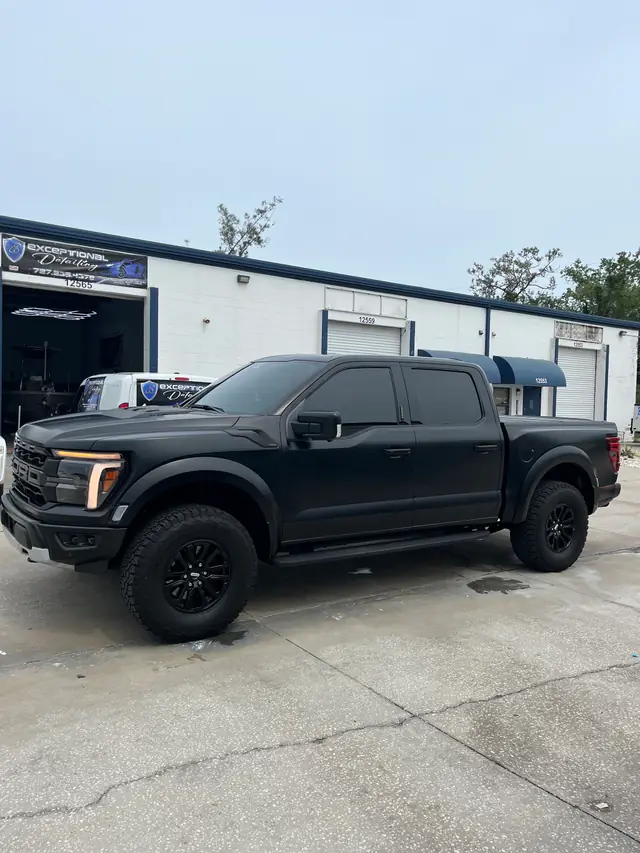
Paint on the Gulf Coast does not age the way paint in Ohio does. In Clearwater a car deals with strong sun, humid salty air, pollen, sprinklers, bird droppings and, twice a year, clouds of lovebugs. At Exceptional Detailing we see the results on cars and trucks every week. Most of the damage is slow and avoidable, and a few habits go a long way.
Lovebugs: worse than they look
Lovebugs fly in mating pairs and hit the front of your car in huge numbers, mostly in spring and again in late summer. When they are fresh they wipe off. After a day or two in Florida heat, the remains bake onto the paint and the acidic body fluids start to soften and etch the clear coat. Even after the bug is gone, a faint ghost of it can stay in the finish.
The fix is speed and patience. Get them off within a day or two if you can. Soak the bumper, hood and mirrors with a wet towel or an automotive bug remover and let it sit until the residue softens. Then lift it away with a clean microfiber. Do not scrub dry, and do not reach for the rough side of a kitchen sponge. Dry scrubbing turns dead bugs into sandpaper.
Sun: UV and heat on flat panels
The roof, hood and trunk lid take the most direct sun, and they show wear first. UV breaks down the clear coat over time. You see it first as a dull, chalky look, then as hazing, and on neglected cars as clear coat that peels. Dark colors show it fastest. Black plastic trim fades to gray, and headlight lenses turn yellow and cloudy.
Shade is the cheapest protection there is. A garage, a carport or a covered spot at work helps more than any product. Where that is not possible, a protective layer on the paint, whether wax, a sealant or a ceramic coating, takes the abuse in place of the clear coat. Wax wears off fastest. A coating holds up longer. None of them are permanent, and all of them need sensible washing to do their job.
Salt air and coastal moisture
You do not have to drive on the beach to get salt on your car. Salty air settles on every surface within a few miles of the Gulf, and Clearwater humidity keeps it damp. Salt speeds up corrosion wherever bare metal is exposed: stone chips on the hood, door edges, the underside, brake parts and wheel hardware. Intact paint holds up fine, but once the clear coat is breached, rust can start underneath.
A regular rinse removes salt before it does anything. Pay extra attention to the lower body panels and the wheel wells, where grime collects. Touch up chips early, even with a dab of touch-up paint, because a chip is an open door for moisture.
Pollen, sprinklers, birds and rain
- Pollen coats everything yellow in spring. Rinse it off first. Wiping a pollen-covered car with a dry cloth drags fine grit across the paint.
- Sprinkler water in many neighborhoods is hard and leaves mineral rings. Park out of range of the spray, and if you see spots, deal with them the same day before they etch.
- Bird droppings are acidic and gritty. Soak them with a wet towel and lift them off. Do not wipe them dry.
- Summer storm rain carries dirt and dries into spots under hot sun. If the car sits wet in the sun, dry it by hand.
A routine that fits Florida
You do not need a complicated schedule. Wash every week or two with a clean mitt and plenty of water, and rinse sooner than that when bugs or salt are heavy. Dry the car instead of letting it air dry in the sun, since drying water leaves its minerals behind. Look the paint over after lovebug season and again after the hottest months. A few times a year, have the paint properly decontaminated and protected so you are starting from a clean surface instead of building on grime.
Where a detail or a coating fits
A full detail with clay bar and wax pulls bonded grit out of the paint and gives it a fresh layer of protection. A ceramic coating goes further. It forms a hard, slick surface that bugs, droppings and mineral spots have a harder time sticking to, so a gentle wash handles most of what the road throws at it. Neither one makes the car immune. A coated car still needs washing, and bird droppings still need to come off quickly. What changes is how easy the cleanup is and how much of the abuse reaches the clear coat.
If you want a plan for your paint, call Exceptional Detailing at (727) 235-4379. Read about the clay bar and wax detail at /services/full-detail and the longer-term option at /services/ceramic-coating. We work on cars, trucks and motorcycles for drivers in Clearwater, St. Pete and Tampa.
Exceptional Detailing Inc, (727) 235-4379
Call (727) 235-4379More articles
Paint Correction Before Ceramic Coating: Why the Order Matters
A coating locks in whatever is under it, so the paint has to be right before anything goes on.
How to Wash a Ceramic Coated Car at Home Without Undoing It
The coating does half the work. Your wash habits decide whether it keeps working.